
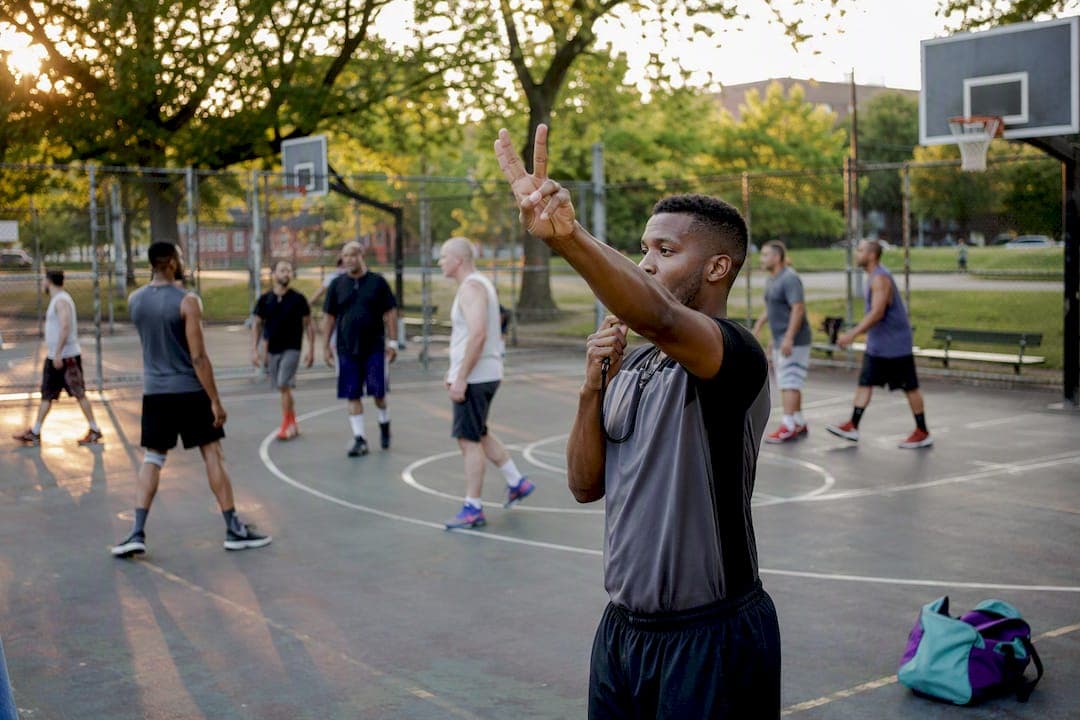
Inclusive pickup games are casual, social-first sports meetups where adults of any age or ability show up and get real playing time, no tryouts, no bench-warming. If you want in tonight, check a local Meetup or Facebook sports group first, then your nearest community center bulletin board. If nothing turns up, start your own with one flyer and a signup link.
- Fastest places to check: Meetup, community center front desks, and neighborhood Facebook groups.
- One immediate step: Post a simple "all levels welcome, no-keep score" invite with a time, place, and sign-up link.
Groups like MojoKickball run recurring, free-to-join games built around this exact model, and church-run tournaments such as Hoops 4 Him show how volunteer structure keeps things open to newcomers.
Pro Tip: Name a rotating "commissioner" for every session, someone whose only job is to call fouls fairly and keep new players from getting overlooked.
Key Takeaways
Inclusive pickup games work best when simple rules, a named organizer role, and low-friction signup tools combine to keep both turnout and tone consistent.
| Point | Details |
|---|---|
| Lead with a code of conduct | State the "all levels, no judgment" expectation out loud before the first game starts. |
| Use small-sided formats | 3v3, 4v4, or half-field games cut standing-around time and spread the ball around. |
| Name a commissioner | One person mediating disputes keeps fouls and conflicts from derailing play. |
| Keep costs low and optional | Suggested donations of a few dollars cover facility costs without creating a barrier. |
| Automate the logistics | Roster Sports handles signups, waitlists, and reminders so organizers can focus on the game. |
Table of Contents
- Where to Find Inclusive Pickup Games Near You
- What Pickup Formats Keep Games Low-Pressure?
- How Do You Organize an Inclusive Pickup Game?
- What Are Good Sample Formats and Warm-Ups?
- How Roster Sports Cuts Organizer Friction
- What Should You Do When a Pickup Game Hits a Snag?
- What Most Advice on Inclusive Pickup Games Gets Wrong
- Get Your Pickup Games Organized With Roster Sports
- Frequently Asked Questions
- Sources
Where to Find Inclusive Pickup Games Near You
Community centers post the widest range of options because they run everything from senior-friendly walking basketball to full-court runs, often for a few dollars a visit or free with a membership. Park district bulletin boards and rec league websites are second. Online, Meetup and Facebook groups dominate, and searching your city plus "pickup basketball all levels" or "co-ed pickup soccer no experience" filters out the competitive travel-league stuff fast. Local subreddits and university intramural pages round out the list, especially in college towns.
- Community and rec centers (check posted schedules, not just class listings)
- Meetup and Facebook groups searchable by sport and city
- Local subreddits, university club pages, and church or volunteer group listings
- Sport-specific community pages, like fan-run soccer groups
Look for language clues in the listing itself. "All levels," "no tryouts," "family-friendly," and "no-keep score" signal a welcoming group. A listing that mentions draft picks, standings, or "competitive players only" is a red flag if you're easing back into a sport. Most inclusive games skip fees entirely or ask for a small suggested donation of $5 or so to cover facility rental, so bring cash or a Venmo handle just in case.
What Pickup Formats Keep Games Low-Pressure?
Small-sided games like 3v3 or 4v4 basketball, or 5v5 soccer on a half field, cut down standing-around time and make it harder for one strong player to dominate. Mixed-ability pairs (pairing a newer player with an experienced one) work well for volleyball and kickball. Coach-on-court setups, where a volunteer plays alongside beginners and calls out positioning, suit groups with a wide age range. Skills-rotation stations fit large groups that want variety over a full-length game.
A handful of simple rule tweaks do most of the work:
- Rotate captains every game so the same two people never pick teams
- Cap possessions at a set time (say, 90 seconds) to keep the ball moving
- Offer a no-keep-score option for at least one game per session
- Sub on a timer, not on performance, so everyone gets equal minutes
Call jump balls generously and use soft-foul guidance rather than hard whistles. Timeouts work better as coaching breaks than as strategy sessions.
Pro Tip: When ages and abilities vary widely, mix teams by height or speed instead of by visible skill level. It balances play without anyone feeling singled out.
How Do You Organize an Inclusive Pickup Game?
A good session runs on a short checklist, not improvisation. Here's the order that works:
- Pregame: Lock down location, confirm any permit or facility fee, choose a sign-up method, check the space for accessibility (parking, restrooms, seating), and post a firm start time.
- Kickoff: Deliver a 60 to 90 second script: welcome everyone, state the no-judgment tone, do quick first-name introductions, and cover one safety note (uneven pavement, low ceiling, whatever applies).
- During play: Follow your rotation protocol, adjust for uneven numbers immediately, let your commissioner mediate disputes, and stick to the scoring policy you announced.
- Postgame: Ask two or three regulars for quick feedback, note who wants to come back, open signups for next week, and log any donations.
A workable starter script sounds like this: "Everyone's welcome regardless of experience. We rotate teams every game, we don't keep score in the first round, and if something feels off, come find me." Fan-organized soccer groups in Minnesota run on a version of exactly this kind of simple code of conduct, and it's a big reason their games have stayed welcoming as they've grown.
What Are Good Sample Formats and Warm-Ups?
Mixed-skill 4v4 basketball. Goal: everyone touches the ball on offense before a shot goes up. Rules: no double-teaming beginners, rotate subs every five minutes, call your own fouls.
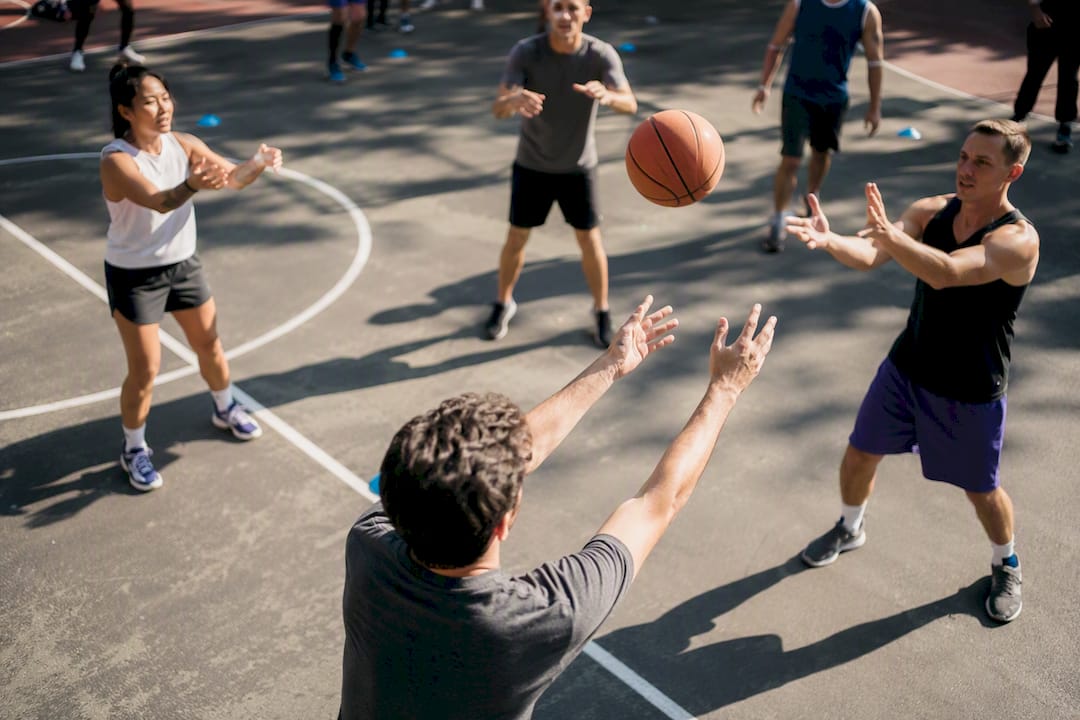
Family-friendly kickaround (soccer). Goal: get younger and older players moving together. Rules: no slide tackles, goals count double if scored by someone under twelve or over fifty.
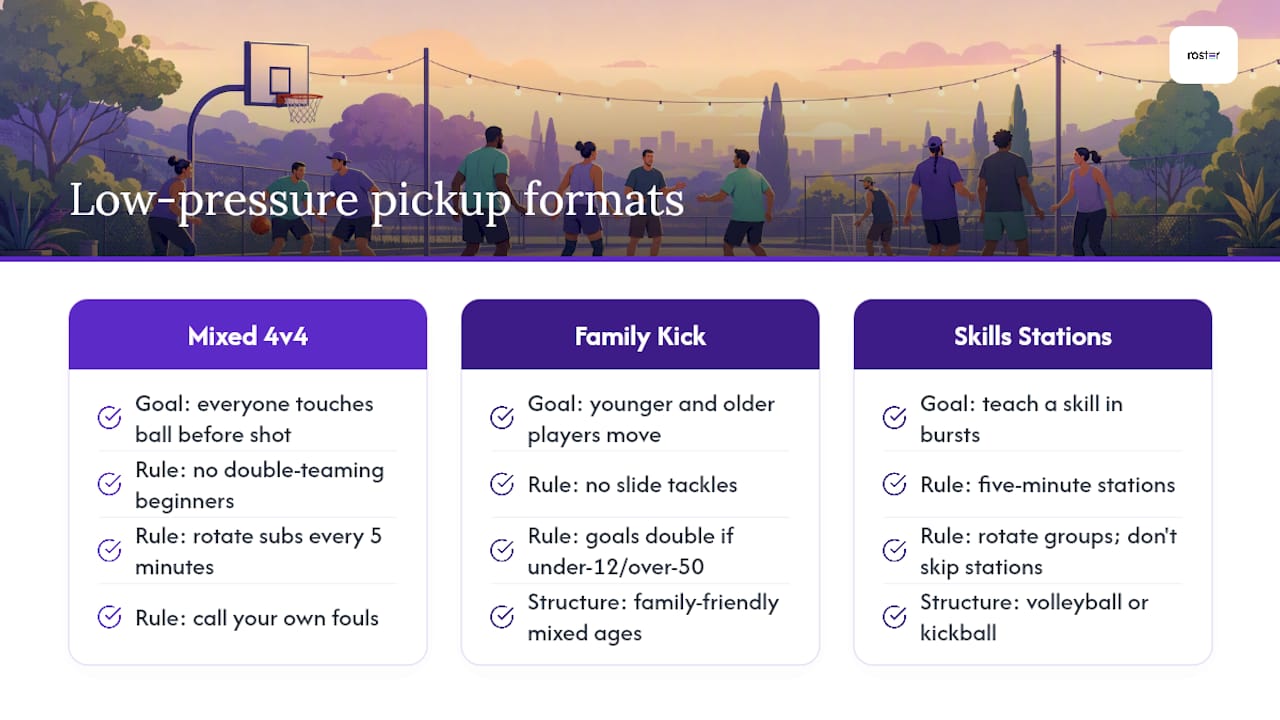
Skills-rotation stations (volleyball or kickball). Goal: teach a skill in short bursts before scrimmaging. Rules: five-minute stations, rotate every group, no station skipped.
Two low-pressure warm-ups: a passing circle where everyone calls the next person's name before passing, and a "shadow jog" where pairs mirror each other's movement for two minutes. Both run in under ten minutes and need no equipment beyond a ball. For older adults, shorten game segments to 15 minutes and add a seated water break between rounds.
How Roster Sports Cuts Organizer Friction
Most pickup games don't fail because of bad rules. They fail because the group chat turns into 40 unread messages, three people no-show without warning, and the organizer spends more time chasing Venmo requests than actually playing.
- Real-time signups that fill open roster spots automatically
- A waitlist that activates the moment someone drops out
- One shareable link instead of a sprawling group chat
- Automated reminders so regulars don't forget game day
- Built-in Venmo tracking for suggested donations or facility fees
Each of these maps directly to a checklist step above. Roster's roster management handles the signup and waitlist logistics, which means the person running the game can actually run the game instead of managing a spreadsheet from their phone.
What Should You Do When a Pickup Game Hits a Snag?
Uneven numbers are the most common issue. Keep a floating subs list and rotate players in from the sideline every quarter rather than benching anyone for a full game. Overly competitive players usually respond to a quiet, direct reframe: "We're playing for fun tonight, let's dial it back." Repeated no-shows are best handled with a simple waitlist system rather than public callouts. Accessibility requests (a player using a cane, someone who needs shorter game segments) should be accommodated on the spot when possible, not deferred to "next time."
Hostile behavior is different. Pause the game, have the commissioner speak to the person privately, and remove them if it happens twice. That's not about policing newcomers who make a rough foul call. It's about protecting the culture that keeps 20 strangers coming back week after week.
Pro Tip: Set your standards once, out loud, at the start of every session, so enforcing them later never feels like a surprise.
What Most Advice on Inclusive Pickup Games Gets Wrong
Most guides treat "inclusive" as a vibe, something you announce and hope sticks. It doesn't work that way. The groups that actually stay welcoming for years, like the long-running "Geezer" basketball games that have persisted for decades, succeed because someone enforces structure quietly and consistently. A code of conduct only matters if someone's job is to apply it.
The other overrated idea is that free is always better than a small donation. Groups that ask for a few dollars tend to outlast the ones that don't, because someone has to pay for gym rental eventually, and resentment over unpaid costs kills more pickup games than any competitive player ever has.
If you're starting a game, prioritize the boring parts first: a sign-up system, a named person handling disputes, and a donation plan that covers your actual costs. The fun formats and warm-ups matter, but they're the easy part. Get the structure right and the inclusivity mostly takes care of itself.
Get Your Pickup Games Organized With Roster Sports
Running an inclusive game shouldn't mean spending your Wednesday night chasing RSVPs through three group chats. Roster Sports gives organizers one shareable link that handles signups, fills open spots automatically, and moves dropouts to a waitlist the moment a spot frees up, so the roster stays full without you doing anything.
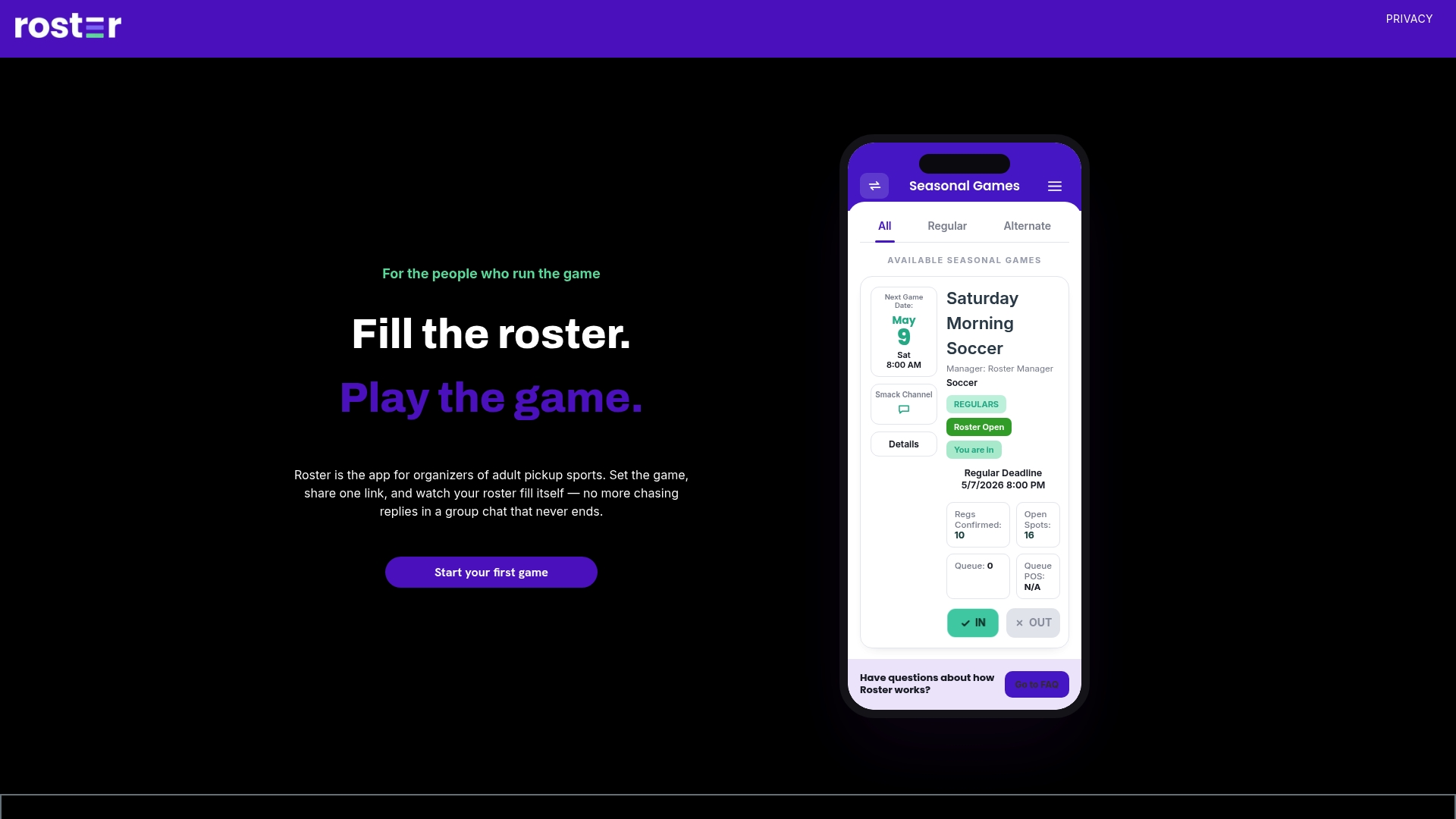
For regulars, Roster tracks who's paid their share through built-in Venmo tracking, which matters if your group runs on suggested donations rather than a fixed fee. That's the detail most improvised group chats never solve cleanly. If you're managing a weekly game or thinking about starting one, check out the game organizer app and see how the signup link works for your next session.
Frequently Asked Questions
What makes a pickup game "inclusive" versus just casual? An inclusive pickup game actively removes barriers to entry, like tryouts, fees, or skill requirements, and uses rules such as rotating teams or no-keep-score play to keep participation, not competition, the main goal.
Do inclusive pickup games usually cost money? Most are free or run on small suggested donations, often around $5, to cover facility rental. Very few charge a hard entry fee.
How do I handle a player who's too competitive for a casual game? Address it directly but calmly: remind the group of the session's tone, and if it continues, have your commissioner or organizer speak to that player one-on-one.
What should I bring to a pickup game for the first time? Comfortable clothes, water, appropriate footwear for the surface, and cash or Venmo in case there's a suggested donation. Check the listing for specifics like gear recommendations if the sport is new to you.
What's the easiest way to manage signups for a recurring pickup game? A dedicated tool beats a group chat every time. Apps like Roster Sports let you share one link, automatically fill open spots, and manage waitlists without manually tracking who's in.
Sources
- Motor-skill games to facilitate social inclusion and well-being | UB
- Minnesota Aurora fans organize inclusive pickup soccer: ‘No offseason for this community’ | FOX 9 Minneapolis-St. Paul
- MojoKickball — Come. Play. Everyone.