
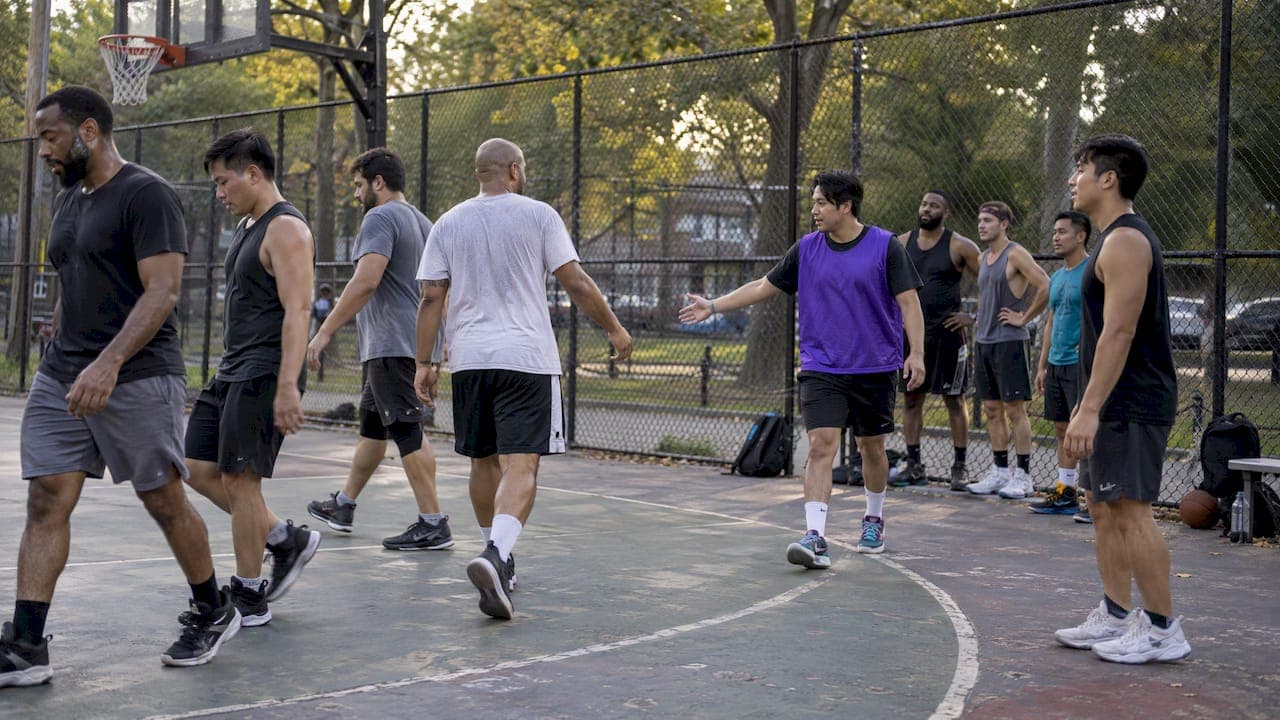
Respect permit holders, be upfront about claiming or yielding a court, and leave the space cleaner than you found it: that's field sharing etiquette in one line. When you arrive, announce how many players you have and how long you plan to play, follow short-game limits if others are waiting, and expect organizers to carry proof of any reservation.
TL;DR:
- A confirmed permit gives exclusive use for its booked window, even if holders arrive late; verify documentation, then contact staff over disputes.
- For busy courts, agree before play on an 11 point cap or a 15 or 20 minute block, and announce challengers before games end.
- Organizers must carry permit proof, clear the field by the booked end time, and get written approval before reallocating reserved hours.
- Parks staff, not players, decide whether wet or muddy fields can be used; ignoring a posted closure may extend shutdowns for everyone.
- Publish an attendance rule before game day; a ten minute wait after the scheduled start is a common point for promoting an alternate.
Table of Contents
- Quick etiquette checklist for drop-in and casual sharing
- Who has legal priority: permit holders vs. drop-in players
- Turn-taking, time limits, and challenge rules for busy courts
- Organizer responsibilities: setup, safety, and no-subletting rules
- Communication and no-show etiquette for organizers and players
- Using organizer tools and waitlists ethically
- Why etiquette matters for long-term field access
- FAQ
- Sources
Quick etiquette checklist for drop-in and casual sharing
Most friction on shared fields comes from unclear signals, not bad intentions. A few habits fix most of it before a dispute starts.
- Call out your group size and how long you expect to play as soon as you arrive, so waiting players know what to expect.
- Agree on a short-game format (a point cap or time limit) when others are watching, and yield the court once it's reached.
- Introduce yourself to new players, call scores loudly enough for both sides to hear, and keep the language on the field clean and even-tempered.
- Clear your own trash and gear before you leave, and keep gates, walkways, and access points clear for the next group.
None of this requires a whistle or a clipboard. It just requires saying out loud what you're planning to do, instead of assuming everyone already knows.
Who has legal priority: permit holders vs. drop-in players
A permit or reservation grants exclusive use of a field or court for the booked window, and that holds even if the group shows up late or the field looks empty. Recreation departments routinely write this into policy: the Outdoor Recreation Facility Use Policy from the Town of Lexington treats a confirmed reservation as exclusive for its time slot, and expects the permit holder to produce proof if asked.
Casual, first-come-first-served play fills the gaps around those bookings, never the other way around. If you show up for open play and a permit holder arrives with a confirmation on their phone, the field is theirs for that window, no negotiation needed.
When you're not sure who has priority, work through it in order:
- Ask to see the permit or reservation confirmation. A legitimate booking usually has a date, time, and field number attached.
- If it checks out, vacate the space. Staying to argue a point rarely changes the outcome and burns goodwill with the other group.
- If something seems off (wrong field, expired date, no documentation at all), contact parks and recreation staff rather than deciding the dispute yourselves.
- Never strike an informal deal to split or share a permitted slot without written approval from the facility. University recreation programs frame this kind of self-policing as part of the deal: access is a privilege rather than a right, and players are expected to defer to staff decisions rather than settle disputes on their own authority.
Open or casual hours still exist on most shared fields, and they're genuinely useful for pickup groups without a standing reservation, who can also benefit from coordinating gear through Sports Team T-Shirts: Bulk Custom Tees for Every Squad. Just treat them as secondary, not as a backup claim against a group that booked the space properly.
Turn-taking, time limits, and challenge rules for busy courts
When no one holds a permit and several groups want the same court, a quick, agreed format prevents the slow-motion argument that otherwise eats up playing time. The conventions vary by sport, but they share a structure.
- Point or game caps. An 11-point game, a single set, or a fixed number of goals keeps turnover predictable for everyone waiting.
- Timed blocks. A flat 15 or 20 minutes per group works well on courts where scoring formats differ by sport.
- King-of-the-court or winner-stays formats. The winning side continues only if a new challenger is ready to step in immediately, so the court never sits idle.
- Verbal challenge calls. Waiting players announce themselves and their group size before the current game ends, not after, so the next rotation is already set.
Agree on the format out loud before the first point, not mid-game. On recurring sessions, write the house rule into your group chat or pinned message so new players don't have to ask.
Pro Tip: Winners yield gracefully after two or three straight wins, even in winner-stays formats, so one group doesn't quietly dominate the court for an hour.
Organizer responsibilities: setup, safety, and no-subletting rules
Holding a permit comes with obligations, and ignoring them is the fastest way to lose access to a field for the whole season. Carry a physical or digital copy of the permit, and build setup and breakdown time into your reserved window rather than arriving at the start time and expecting extra minutes on the back end. A 6:00 to 7:00 p.m. booking means the field is clear by 7:00, cones and all.
Subletting or reallocating your reserved time to another group without written permission is prohibited under most municipal policies, including rules spelled out by College Park's recreation facilities regulations. The same policies typically ban alcohol and dogs on athletic fields and give staff direct authority to suspend play for safety violations.
Field conditions are not the organizer's call to make. Playing on a wet or muddy field often damages turf badly enough that cities hand enforcement to a parks superintendent rather than leave it to whoever shows up, a standard reflected in policy manuals like Moberly's field condition guidance. Ignore a posted closure and you risk a longer shutdown for everyone who uses that field after you.
A short pre-game checklist keeps organizers out of trouble: confirm arrival and departure times against the permit, assign someone to trash removal, store shared equipment properly, and check lighting schedules if you're playing into the evening. Chronic lateness or overstaying is one of the more common reasons permit renewals get denied.

Communication and no-show etiquette for organizers and players
Most disputes about attendance come from unclear expectations, not bad faith. Set them in writing before game day.
- State an arrival window in your pre-game message ("doors open 15 minutes before kickoff") so players know when "late" actually starts.
- Separate confirmed spots from alternates clearly, so nobody shows up expecting a guaranteed roster slot that doesn't exist.
- Announce next-up players out loud and keep score visible or verbal, so nobody has to guess whose turn it is.
- Publish a no-show rule in advance (how long you'll hold a spot, when an alternate gets promoted) so enforcing it later doesn't feel personal.
Pro Tip: A standard waiting period, something like ten minutes past the stated start time, resolves most no-show disputes before they start, because everyone agreed to the rule beforehand instead of negotiating it in the moment.
When a disagreement does flare up on the field, de-escalate before you escalate: restate the agreed rule calmly, offer the simplest fair fix, and only loop in parks staff if someone won't accept a reasonable call.
Using organizer tools and waitlists ethically
Real-time rosters and waitlists solve a problem that group chats handle badly: knowing exactly who's in, who's out, and who's next. When a confirmed player drops, an automatic waitlist promotion settles the spot without a scramble of messages, which cuts down on the kind of ambiguity that leads to on-field arguments over who actually has a claim to play.

The same tools raise a few responsibilities. Collect only the information you need to run the game (names, contact info, payment status), and be upfront with players about any per-player or per-game fees before you charge them. Managers can set arrival windows, no-show rules, and alternate promotion directly in the app, so the expectations players saw when they signed up are the same ones enforced on game day. Clear rules up front are what the rest of this guide has been building toward.
Why etiquette matters for long-term field access
The groups that keep their permits season after season aren't the most talented ones. They're the ones parks staff trust to show up on time, follow the posted rules, and leave the field the way they found it. A pickup scene with consistent, friendly etiquette also attracts more regulars, which means less time spent chasing players and more time actually playing.
— Daniel
FAQ
Who gets priority on a shared field, permit holders or drop-in players?
Permit holders have exclusive use of their booked time slot, and drop-in or casual play fills the remaining open hours. If a permitted group arrives during open play, the field belongs to them for that window, confirmed through their reservation documentation.
How long should you wait before giving up a no-show's spot?
A common informal standard is around ten minutes past the scheduled start time before promoting an alternate. Publishing that rule in your pre-game message, as outlined in guidance on reducing no-shows, keeps the call from feeling arbitrary when it actually happens.
Can you sublet or share your permitted field time with another group?
No. Most municipal recreation policies, including College Park's facility rules, prohibit subletting or reallocating a reserved slot without written approval from the facility. Doing it anyway can put future permit renewals at risk.
What's the standard way to decide who plays next on a busy court?
Groups typically agree on a short-game format, such as a point cap, timed block, or winner-stays rotation, and waiting players announce themselves before the current game ends. University recreation guidelines frame this kind of self-policing as the expected norm on open courts.
What should organizers do if a field is too wet or muddy to play on?
Field conditions are usually determined by parks staff, not by whoever shows up to play, and policies like Moberly's field condition rules prohibit play on wet or muddy turf to prevent damage. Organizers who respect a posted closure tend to keep better standing with parks departments than those who push through it.
Sources
- Outdoor recreation facility use policy (Town of Lexington)
- City recreation facilities rules and regulations (College Park, MD)
- Policy manual (City of Moberly) — field condition and closure guidance
- University recreation facility usage guidelines (University Recreation)